

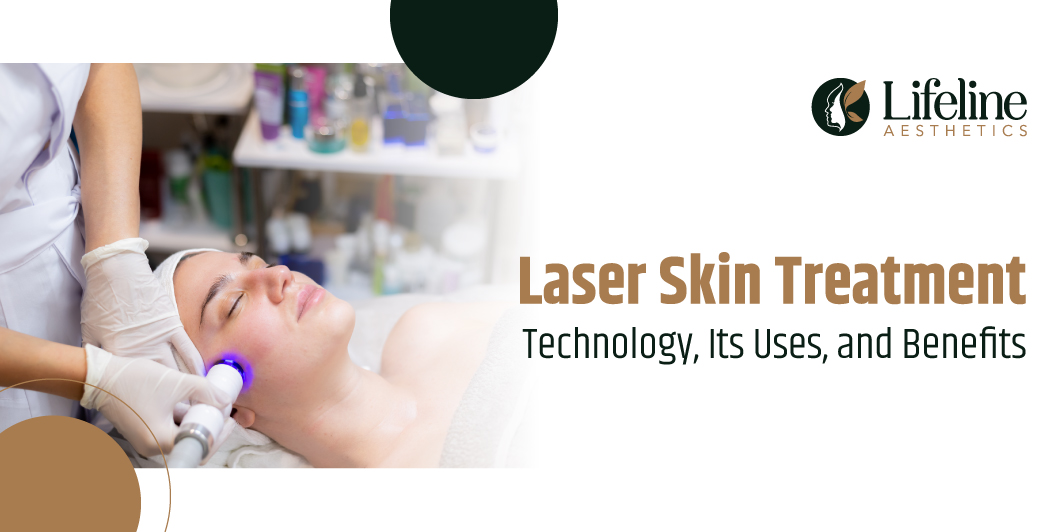
You know that moment when you see your face in the mirror and think, “Wait, why do I look so tired today?” We’ve all been there. Maybe it’s those dark spots that stuck around long after the pimple left. Or the acne scars your concealer can’t quite hide. Or the uneven tone that somehow shows up in every single photo. And then there are the fine lines and that dull, flat look that creeps in when you’re busy with everything else.
It’s a lot more common than you’d think, and yes, it can really dent your confidence. But here’s the good news: skincare has come a long way. Along with a good routine, laser skin treatment technology is now one of the options dermatologists use for different skin concerns. So let’s talk about how it actually works and what you should know before you think about trying it.
What Is Laser Skin Treatment Technology?
Think of a laser as a very focused beam of light. Instead of spreading out like a regular bulb, it sends a controlled amount of energy to one specific spot in your skin. That energy is absorbed by a target, such as excess pigment or the deeper layers where collagen is made. Depending on the goal, your skin either clears away the unwanted pigment naturally or starts a gentle repair process that supports fresher-looking skin.
Not every laser works the same way. Some act on the surface, others reach deeper layers, and each is designed for particular concerns. That’s why dermatologists don’t pick equipment at random. They look at your skin type, your tone, your main concern, and how much downtime you’re comfortable with before suggesting a suitable option.
What Are Laser Treatments Used For?
Lasers are used for a wide range of everyday skin concerns. The most common ones include:
- Pigmentation and dark spots: Laser treatment for pigmentation is often chosen for sun spots, age spots, and patchy marks that stay put despite creams.
- Acne scars: Laser treatment for acne scars is used to soften the look of uneven, textured skin left behind after breakouts.
- Unwanted hair removal: LHR treatments are now very common and trusted widely by dermatologists for smooth, hair-free skin.
- Uneven skin tone: Some lasers help even out blotchy or patchy areas.
- Fine lines and signs of aging: Certain lasers support collagen, which helps skin look smoother and firmer. It helps fight the signs of aging.
- Texture and dullness: Rough, tired-looking skin can look fresher after suitable sessions.
- Overall renewal: Laser skin rejuvenation brings several of these goals together for a more refreshed look.
What Are the Different Types of Laser Skin Treatments?
You’ll hear two terms often: ablative and non-ablative.
Ablative lasers remove the thin outer layer of skin, which encourages new skin to form. They work more intensely, so they’re sometimes considered for deeper scars or stronger signs of aging. Expect a longer healing period.
Non-ablative lasers leave the surface intact and send energy to the layers underneath. They’re gentler, with less downtime, though results build up gradually and may need more sessions.
Beyond that, there are fractional lasers, which treat tiny columns of skin and leave the area around them untouched to speed healing. Pigment-targeting lasers go after dark spots, and vascular lasers are used for redness. Each type suits different concerns. A laser that works well for pigmentation won’t necessarily be the right pick for acne scars. So the best choice depends entirely on your skin and a dermatologist’s assessment.
What Are the Benefits of Laser Skin Treatment?
When the laser treatment is matched to your skin, there’s a lot to like:
- Targeted care: The laser technology can be aimed at a specific concern instead of treating your whole face the same way.
- Better tone and texture: Many people notice smoother, more even-looking skin over time.
- Less visible marks: Pigmentation and acne scars can look softer and less noticeable.
- Collagen support: Suitable lasers encourage your skin’s own collagen production.
- Customizable plans: Settings and session plans can be adjusted to your skin type and goals.
- A healthier overall look: Skin often appears fresher and more radiant.
One honest note: results vary from person to person, and not every laser offers every benefit. Nobody can promise a guaranteed outcome, and a good aesthetic clinic will tell you that upfront.
What Should You Know Before Getting a Laser Treatment?
Before you book any laser skin treatment, keep these points in mind.
Start with a consultation: A qualified dermatologist should check your skin, ask about your history, and explain what’s realistic for you.
Ask about results and sessions: Most concerns need more than one session, and improvement is usually gradual. Your dermatologist can give you a rough idea of what to expect.
Expect some temporary effects: Mild redness, sensitivity, or swelling for a short time afterward is fairly common. It usually settles on its own.
Follow the care instructions: Your dermatologist will tell you what to avoid before the session and how to look after your skin afterward. Please follow them closely, because they matter.
Protect your skin from the sun: Treated skin is more sensitive, so sunscreen and shade are a must. Skipping this can undo your progress and may cause new pigmentation.
Give Your Skin the Care It Deserves
Your skin goes through a lot, from the sun and pollution to stress and time itself. If you’ve been feeling unsure about pigmentation, scars, or dull skin, a proper conversation with an aesthetic expert in Boisar is a good place to begin.
At Lifeline Aesthetics, a cosmetics centre in Boisar, Mumbai, our experienced dermatologists can help you understand your skin concerns and recommend a suitable US-FDA approved laser skin treatment based on your individual needs. When chosen with care, aesthetic treatments can improve how your skin looks and bring back its natural-looking glow.
Ready to take the first step? Let’s talk about your skin.
Medical disclaimer: This blog is for general information only and is not a substitute for professional medical advice, diagnosis, or treatment. Please consult a qualified dermatologist before starting any treatment
Related Posts

Comments are closed.