

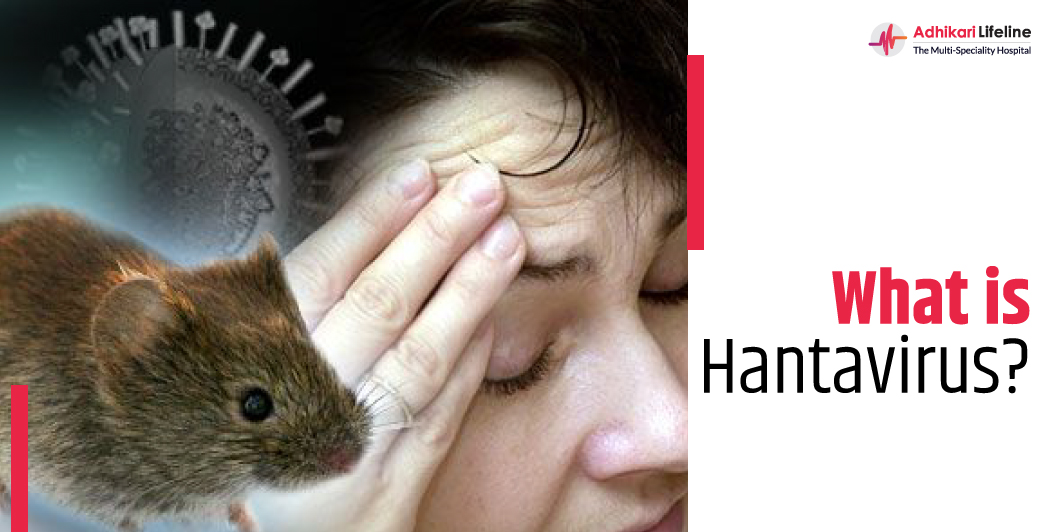
When we talk about viral diseases, most people think of things like the flu or even COVID-19. But there are other viruses in the world that can be just as dangerous, and one of them is called Hantavirus. Many people have never heard of hantavirus, but it’s important for everyone to know about it—especially because it’s not that hard to catch it if you come into contact with certain rodents or their droppings. Let’s break down what hantavirus actually is, what causes it, its symptoms, and how you can protect yourself and your family from it.
At Adhikari Lifeline Hospital, we are here to spread awareness about lesser-known but serious health threats like hantavirus. We aim to keep the community informed, prepared, and healthy through timely education and access to expert care. By understanding the risks and prevention strategies, we can all play a part in stopping the spread of such infections before they take hold. Let’s begin.
What is Hantavirus?
Hantavirus is the name for a group of viruses that are mainly spread by rodents, especially wild mice and rats. While these rodents don’t get sick themselves, they can pass the virus to people—mainly when people breathe in dust that has been contaminated with rodent urine, feces, or saliva. When a person becomes infected, hantavirus can cause a serious illness. The most well-known sickness from hantavirus in India and many other countries is called Hantavirus Pulmonary Syndrome (HPS). This affects the lungs and can become so severe that someone has trouble breathing. In some other parts of the world, like Europe and Asia, hantavirus infection can also affect the kidneys, causing a disease called Hemorrhagic Fever with Renal Syndrome (HFRS).
What Causes Hantavirus Infection?
Hantavirus is caused by coming into contact with rodents or with things they have touched. The virus lives in the bodies of some mice and rats, which shed it in their saliva, urine, and droppings. When these animals are around people, the virus can easily get into the air. Here’s how it happens:
- If you sweep, vacuum, or even just walk through an area with rodent droppings or nests—especially in a closed space—the disturbed droppings turn into tiny particles. Breathing these in is the most common way people get infected.
- Sometimes, people might touch something with rodent droppings and then touch their mouth, nose, or eyes. This is a less common way to get infected, but it’s still possible.
- Rarely, people might also get hantavirus by eating food or drinking water that’s been contaminated by rodents.
- So far, there’s no good evidence that people can spread hantavirus to each other. The problem always seems to begin with rodents.
Who is at Risk?
Anyone who lives or works in places where there are a lot of mice or rats could be at risk for hantavirus. This is especially true for:
- People who clean barns, old houses, or storage spaces that haven’t been used for a long time.
- Farmers and agricultural workers.
- Campers or hikers who spend time in the woods or sleep outside.
- People who work in pest control.
- Families living in areas where rodent infestations are common.
If you know there are rodents in or around your home, you are at a higher risk for hantavirus. Prevention starts with understanding the danger and knowing what to look out for.
Symptoms of Hantavirus Infection
One of the tricky things about hantavirus is that the symptoms can start off like many other common illnesses. Most people won’t realize at first that something is wrong, which can delay getting help. Here’s what to look out for:
The first symptoms usually appear within 1 to 8 weeks after exposure to the virus. Early signs can look like the flu:
- Fever, often quite high
- Tiredness and feeling very weak
- Muscle aches, especially in the upper back, hips, and thighs
- Headache and sometimes dizziness
- Stomach pain, vomiting, or diarrhea
- Chills and sometimes coughing
These symptoms often last for about four to ten days. In some cases, people might get better on their own—but for many, the illness becomes much more serious. After the early stage, hantavirus can quickly cause trouble breathing. This happens because the lungs fill up with fluid, making it very hard to get enough oxygen. When this happens, the person might:
- Feel very short of breath, like they can’t get enough air
- Cough a lot, sometimes bringing up fluid
- Have a fast heartbeat
- Feel faint or dizzy
This stage is very dangerous and is a true medical emergency. People can go from feeling just a little sick to being in severe distress within a day or two. Without hospital care, hantavirus complications can be fatal. Some patients may need blood transfusions. At Adhikari Lifeline Hospital’s blood bank in Boisar, we remain well-equipped to handle any blood transfusion requirement for such virus-affected patients.
Which Organs Get Majorly Affected by Hantavirus?
Hantavirus mainly affects the lungs and respiratory system. When a person gets infected, the virus first causes flu-like symptoms, but as the illness progresses, the lungs start to fill with fluid. This makes it very hard to breathe and can lead to severe breathing problems, known as Hantavirus Pulmonary Syndrome (HPS). In some cases, especially with certain types of hantavirus, it can also damage the kidneys, leading to what is called Hemorrhagic Fever with Renal Syndrome (HFRS). At our hospital, we ensure a pulmonologist and nephrologist in Boisar manage your treatment actively. In short, hantavirus mainly attacks the lungs and can sometimes affect the kidneys, causing serious health problems.
How is Hantavirus Diagnosed?
Because hantavirus disease looks a lot like other illnesses in the beginning, doctors ask about possible exposure to rodents. If a person has been sick with flu-like symptoms and has been sweeping or cleaning a rodent-infested area, the doctor will consider hantavirus as a cause. Blood tests and chest x-rays help doctors confirm the diagnosis. Early diagnosis can save lives, as people can be started on oxygen and supportive care right away.
Prevention Tips for Hantavirus
Luckily, hantavirus infection is preventable. All you have to do is avoid contact with wild rodents and their waste. Here are some easy steps you can take to reduce your risk:
- Keep rodents out of your home: Seal up holes and cracks in walls, floors, and around windows and doors. Make sure food—including pet food—is stored in tightly closed containers. Clean up any spilt food quickly, and keep garbage tightly sealed.
- Clean up safely: If you find rodent droppings or urine in your house, never sweep or vacuum it up dry. Instead, wear rubber gloves and spray the area with a disinfectant or a mixture of bleach and water (one part bleach to ten parts water). Let it soak for at least five minutes, then use paper towels to wipe up the mess. Double-bag the paper towels before disposing.
- Air out places before cleaning: If you’re cleaning an area that hasn’t been used for a while (like sheds, storerooms, or attics), open it up and let it air out for 30 minutes before you start cleaning. This helps move out the contaminated dust.
- Protect yourself outdoors: If you camp or hike, keep food in rodent-proof containers. Do not sleep near places where you see rodent nests or droppings. Try not to disturb piles of brush or wood, which may be hiding rodents.
- Seek professional help if needed: If you have a big rodent problem in your building, you may want to call pest control experts.
- Educate your family: Teaching children how to avoid rodents—never touch them, don’t play near nests, and tell an adult if they see any signs—is also an important safety step.
How Adhikari Lifeline Hospital Can Help You
Hantavirus is a rare but serious disease that mainly spreads through contact with wild rodents and their droppings. Protecting yourself and your family is easy if you know what to look for and how to clean up safely. If you ever find yourself showing symptoms like those described above, don’t wait. The best thing to do is go to a trusted hospital where there are experienced doctors and modern facilities. Adhikari Lifeline Hospital in Boisar is here for you and your family.
We are open 24 hours, so help is always there when you need it. If your case is serious and you need extra care, our Intensive Care Unit (ICU), ventilators, and state-of-the-art facilities are always ready. We also provide services like a Blood Bank in Boisar, which can prove very helpful if there are any complications. For people needing special care, such as those with kidney or other related issues, we have top specialists including an expert Urologist in Boisar. For any help or advice, you can contact us anytime—your health is our top priority!
Leave A Comment