

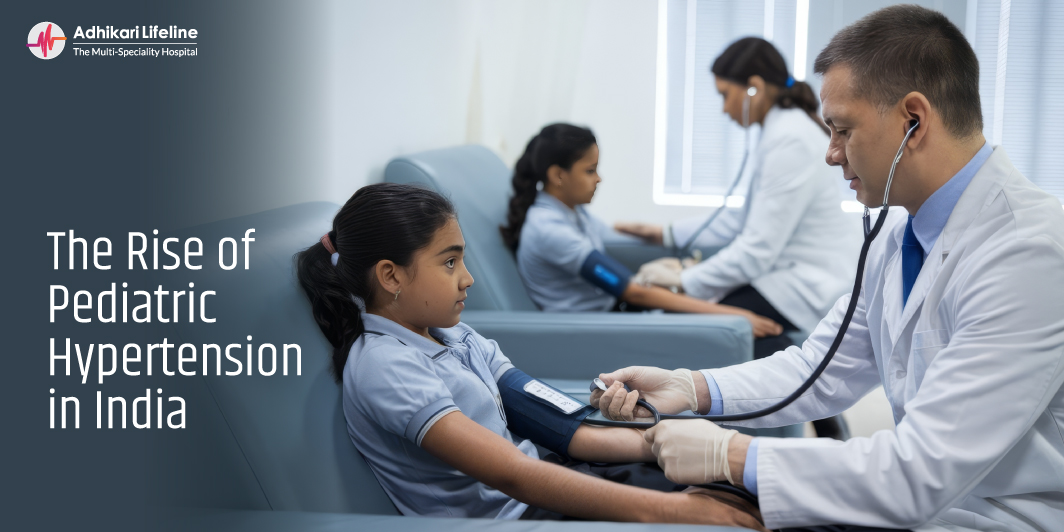
Did you know that high blood pressure is no longer just an “adult problem”? Imagine walking into a clinic and seeing children, some as young as six, getting their blood pressure checked. Just a few decades ago, pediatric hypertension was almost unheard of in India. But today, this silent condition is making its presence felt among our kids, affecting families in places big and small.
A study published in JAMA, revealed that children as young as seven with elevated blood pressure are at a much higher risk of premature cardiovascular death.
At Adhikari Lifeline Hospital in Boisar, we understand your concerns as a parent or caregiver. Why is pediatric hypertension suddenly becoming more common? What warning signs should you look out for in your child? And most importantly, how can we protect our children from this growing health issue? Let’s break it all down for you, from understanding the causes to spotting early symptoms, and knowing when it’s time to seek help.
What is Pediatric Hypertension?
First off, what exactly do we mean by “pediatric hypertension”? Simply put, it’s high blood pressure in children and teenagers. Unlike adults, where a specific reading (like 140/90 mmHg) defines hypertension, for kids, it’s a bit trickier. Doctors look at age, height, and gender to decide if a child’s numbers are too high for their age.
So yes, a reading that’s “normal” for a grown-up might be worrying for a 10-year-old. This is why comparing children to adult standards doesn’t work! Early diagnosis is important because high blood pressure in children can quietly damage their hearts, kidneys, and even their brains, sometimes long before any symptoms appear. A regular check-up with a pediatrician in Boisar or near you is key.
Why is Pediatric Hypertension on the Rise in India?
The rise of pediatric hypertension in India is not due to one reason alone. It is the result of changes in food habits, daily routines, and the environment children grow up in. Some of the key factors include:
- Unhealthy Food Choices: Children today eat more packaged snacks, fast food, and sugary drinks than before. These foods are often loaded with hidden salt, sugar, and unhealthy fats that raise blood pressure.
- Lack of Physical Activity: Outdoor play and sports have reduced sharply. Many children spend more time indoors watching TV or using mobile phones, while physical education is often limited.
- Childhood Obesity: Extra body weight puts more strain on the heart and blood vessels. With obesity rates rising, high blood pressure in children is becoming more common.
- Stress and Academic Pressure: School competition, exams, and expectations can create stress, which is harmful to a child’s heart and overall health.
- Environmental Factors: In cities, there is less space for outdoor activities, higher pollution, and easy access to junk food, all of which affect children’s health.
- Genetics: If high blood pressure runs in the family, children may be at higher risk. But even in such cases, lifestyle factors remain very important.
Doctors are noticing this trend in real time. At the Multispeciality Hospital in Boisar, more children are coming in for regular blood pressure checks. Similarly, it is no longer rare for school-aged children to be monitored at our Diagnostic Centre in Boisar.
What we are seeing in Boisar, Palghar is part of a larger, nationwide trend. These local patterns underscore the urgent need for parents and caregivers across the country to monitor children’s diet, encourage regular physical activity, and prioritize routine health checkups, as childhood hypertension is increasingly becoming a common concern.
Signs & Symptoms Parents Should Watch For
Most children with high blood pressure don’t have any obvious symptoms. That’s why hypertension is often called the “silent threat.” Routine checkups can catch the problem early, but as a parent, it helps to know what to look out for.
- Headaches: Unexplained, frequent headaches.
- Fatigue: If your usually energetic child seems unusually tired or sluggish.
- Dizziness: Complaints of dizziness or even fainting.
- Nosebleeds: More than just once in a blue moon.
- Irritability: Sudden mood swings or irritability.
These symptoms can have many other causes too. However, if you notice a combination or if high blood pressure runs in your family, mention this to your pediatrician in Boisar or your local clinic. Regular monitoring makes all the difference.
Long-Term Risks of Untreated Pediatric Hypertension
Ignoring high blood pressure in children is like letting a small leak in the roof fester, it causes damage that you might not see until it’s too late. Unchecked, pediatric hypertension can lead to:
- Heart Disease: Early thickening of the heart muscle, raised risk of heart attacks later in life.
- Kidney Problems: The kidneys are sensitive to high blood pressure, risking failure over time.
- Stroke: Strokes are possible, even in young people, if hypertension goes untreated.
- Mental Health: Ongoing health worries can create anxiety, stress, and issues with self-esteem.
- Early Artery Damage: Hypertension can begin to harm blood vessels and organs at a young age.
This is why so many experts at our hospital in Palghar encourage early intervention and lifelong healthy habits.
Diagnosis & Treatment
Worried your child might be at risk? Here’s what happens during diagnosis:
- Measuring Blood Pressure: Pediatricians use child-specific cuffs and compare results to age, gender, and height percentiles.
- Routine Screening: Many schools and clinics, including the Diagnostic Centre in Boisar, offer health camps or check-ups that include blood pressure checks.
- Lifestyle-Based Management: If diagnosed, the first line of defense is almost always a change in diet, increased physical activity, and reducing screen time. Sometimes doctors recommend visiting a specialist for more guidance.
- Medication: Rarely, if lifestyle tweaks aren’t enough, medication might be necessary. This is closely monitored and adjusted for growing kids.
Remember, early screening is key, especially for kids who are overweight, have a family history, or show other risk factors.
Prevention & Lifestyle Tips for Parents
So, what can you do as a parent or caregiver? Protecting your child from hypertension is very much within your grasp!
- Serve a Balanced, Fiber-Rich Diet: Lots of fruits, vegetables, whole grains, and lean proteins. Cut down on excessive salt, sugar, and processed foods.
- Limit Junk Food and Sugary Drinks: Save special treats for special occasions and teach children to enjoy water as the main beverage.
- Encourage Daily Physical Activity: Thirty to sixty minutes of outdoor play, cycling, or other exercise builds healthy habits for life.
- Manage Screen Time and Sleep: Set boundaries for TV, mobile, and gaming. Good sleep helps regulate hormones and stress.
- Routine Checkups: Don’t skip that annual physical with a trusted pediatrician in Boisar, or specialists at your local hospital.
- Be a Role Model: Children pick up habits from their parents—let them see you eat well, move more, and prioritize health.
Stop Hypertension Before It Starts
Pediatric hypertension may be emerging as a growing concern, but it is certainly manageable with the right steps. Early detection, consistent monitoring, and simple lifestyle changes, such as balanced nutrition, regular physical activity, and reduced screen time, can make a profound difference in a child’s long-term health.
If you notice any warning signs or have concerns, do not delay seeking medical advice. Reach out to your pediatrician in Boisar, or consult trusted doctors near you. With timely guidance and proactive care, we can prevent complications, reduce risks, and ensure that every child grows up strong, healthy, and full of life. After all, every heartbeat matters, and protecting it is our shared responsibility.
Leave A Comment