

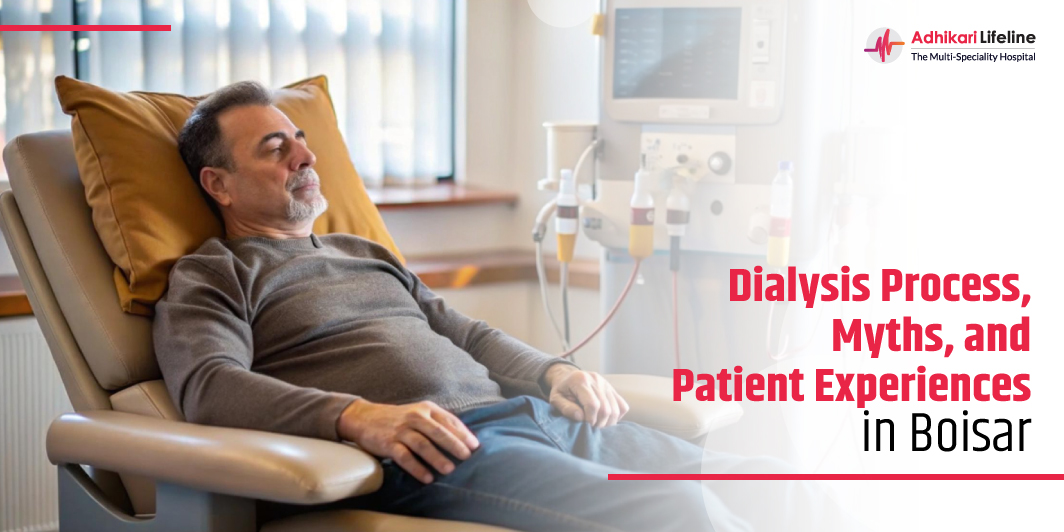
Imagine your body as a bustling city. The kidneys are like its sanitation department—working silently day and night to clear out waste, excess water, and toxins so everything runs smoothly. But what happens when the sanitation system breaks down? The city would quickly become overwhelmed with garbage, leading to chaos and danger. That’s exactly what happens when the kidneys fail.
Dialysis is a life-sustaining medical procedure that performs the essential functions of the kidneys when they are unable to do so. Healthy kidneys act as the body’s natural filtration system, removing waste products, excess fluid, and toxins from the blood. In cases of advanced kidney failure or chronic kidney disease, the kidneys can no longer carry out these tasks efficiently, which can be life-threatening. Dialysis steps in as a substitute, helping patients maintain a stable internal environment, prevent poisoning, and continue living a fulfilling life.
Who Needs Dialysis?
Dialysis becomes necessary for patients whose kidneys have lost most of their ability to function. The most common reason is chronic kidney disease (CKD), often a result of diabetes, high blood pressure, or inherited conditions. Acute kidney injury, when the kidneys suddenly stop working due to an illness, injury, or surgical complication, can also require temporary dialysis. Symptoms indicating the need for dialysis include swelling, fatigue, confusion, nausea, and dangerous changes in electrolyte levels. An experienced Nephrologist in Boisar can decide on the best timing and method for dialysis based on individual patient’s medical needs.
Types of Dialysis
Hemodialysis
Hemodialysis is the most commonly known type, where an artificial kidney, or dialyser, is used to filter blood outside the body before returning it, purified. The process typically takes place at a hospital or a specialized dialysis center multiple times a week, with each session lasting about four hours. A minor surgical procedure is needed to create access to the bloodstream, often through an arm vein.
Peritoneal Dialysis
Peritoneal dialysis uses the lining of the abdomen (peritoneum) as a natural filter. A special cleansing fluid is introduced into the abdominal cavity through a soft tube, and waste products pass from the blood vessels into this fluid, which is then drained away. Patients can perform peritoneal dialysis at home, giving them more flexibility and independence. This type requires regular care, but with proper instructions, many lead active, normal lives.
4 Common Myths about Dialysis
Myth 1: Dialysis is a Death Sentence
Many people mistakenly believe dialysis dramatically reduces life expectancy. In reality, dialysis is a well-established, life-saving treatment that allows patients to live for years, even decades, when combined with regular medical care and a healthy lifestyle. State-of-the-art dialysis centre in Boisar and timely support offer improved outcomes significantly.
Myth 2: Dialysis is Always Painful
While some patients may experience mild discomfort during the initial placement of access points, daily dialysis sessions are generally pain-free. Today’s dialysis centres like ours prioritize patient comfort and ongoing support. Most patients even report that over time, dialysis becomes a routine part of life rather than a painful experience.
Myth 3: Dialysis Patients Cannot Work or Travel
With advancements in dialysis technology, many patients maintain regular work schedules and travel safely. Peritoneal dialysis, especially, offers the flexibility to carry out treatment on the go, and even those on hemodialysis can plan their sessions in advance. With proper planning and medical guidance, patients can continue pursuing their personal and professional goals without interruption.
Myth 4: Dialysis Means No Quality of Life
Patients often regain energy, appetite, and well-being after starting dialysis, enabling participation in family, social, and professional activities. With comprehensive care and family support, many lead fulfilling lives post-dialysis. In fact, dialysis often restores independence and allows individuals to enjoy the activities they once thought impossible.
Adhikari Lifeline Hospital’s Dialysis Centre in Boisar
At Adhikari Lifeline Multispeciality Hospital in Boisar, our dialysis center is equipped with advanced machinery and follows international safety standards to ensure optimal patient outcomes. Our specially trained nephrologists and experienced nursing staff provide personalized care, focusing on comfort, safety, and care to every patient. The center operates under strict infection control protocols and provides patient-centric education for at-home care, diet, and lifestyle management.
Additionally, our dialysis unit is seamlessly integrated with our other specialties, so patients benefit from coordinated care with cardiologists, diabetologists, nutritionists, and more. As the best hospital in Palghar, we ensure that every stage of a patient’s journey—from diagnosis to dialysis and ongoing management—is smooth and stress-free.
Key Highlights:
- Modern dialysis machines with advanced water purification systems
- 24×7 medical monitoring for high-risk patients
- Spacious, comfortable treatment area
- Seamless integration with our in-house Diagnostic Centre in Boisar for comprehensive testing
- Immediate access to Blood Bank in Boisar for transfusion needs
- Support from our rapid-response Emergency Ambulances Services in Boisar for urgent and critical cases
What Our Happy Dialysis Patients Say
“I was diagnosed with chronic kidney disease last year, and honestly, I was terrified at the thought of dialysis. My experience at Adhikari Lifeline Multispeciality Hospital changed everything. The doctors explained every step, and the staff made me feel at home. The dialysis sessions are smooth, the environment is clean, and my family appreciates the transparency shown in every visit. I’m now back to my routine, and my energy levels are better than ever. I can’t imagine going anywhere else for my dialysis.”
Mr. Suresh Patil, Boisar
“After my kidneys failed, I began hemodialysis at Adhikari Lifeline Hospital. At first, I worried about pain and long hours, but the staff made me comfortable from day one. The treatment is smooth, the machines are advanced, and I’ve never felt neglected. The presence of expert nephrologists adds extra care, and I truly believe this is the Best Hospital in Palghar for dialysis.”
Mrs. Reena K., Palghar
Choose The Best Dialysis Centre in Boisar
Adhikari Lifeline Multispeciality Hospital stands as a leader in comprehensive, compassionate dialysis services in Boisar and Palghar. If you or a loved one is facing kidney health challenges, don’t let myths stand in the way of life-saving treatment. Our expert nephrology team, state-of-the-art technology, dedicated blood bank, diagnostic center, and emergency support services create a safe, reassuring environment focused on patient well-being and dignity.
Choosing the right dialysis centre makes all the difference. Reach out to Adhikari Lifeline Multispeciality Hospital in Boisar to book a dialysis session. We are here with you every step of the way!
Leave A Comment