

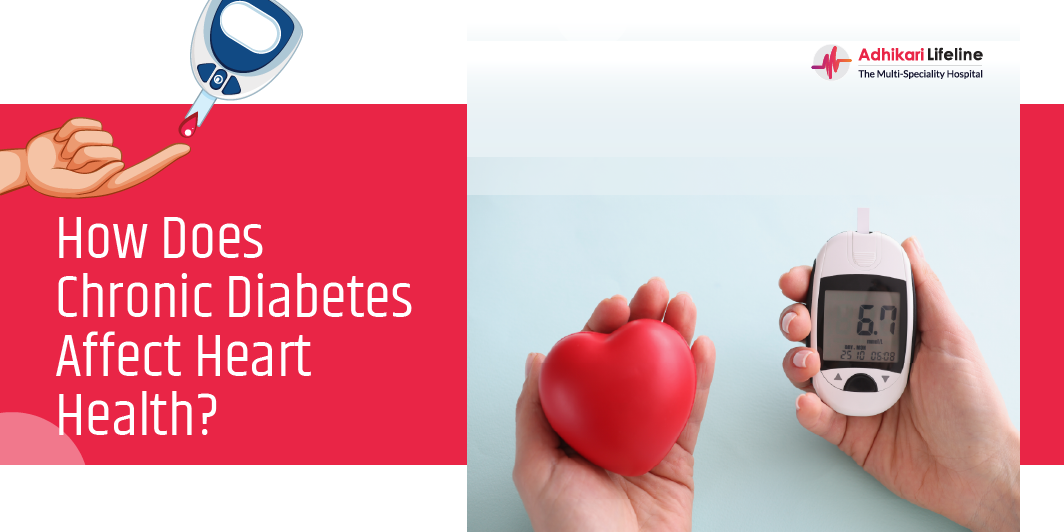
Have you ever wondered why doctors keep talking about heart health when discussing diabetes? Or why people with diabetes are often advised to see a heart specialist, even if they feel fine? The truth is, chronic diabetes and heart health are deeply connected, and understanding this link can help prevent serious complications later in life. Apparently, diabetes itself is a major global health concern. It affects 1 in 11 adults!
At Adhikari Lifeline Multispeciality Hospital in Boisar, our doctors often see patients who manage their diabetes well but overlook regular heart check-ups. Understanding the strong connection between diabetes and heart health is the first step toward prevention and long-term well-being. Let’s dive deeper into understanding the link between diabetes and heart disease.
Understanding Chronic Diabetes
Chronic diabetes is a long-term condition where blood sugar levels remain consistently high. This happens either because the body doesn’t produce enough insulin or doesn’t use insulin effectively. Over months and years, high blood sugar starts damaging blood vessels, nerves, and vital organs.
While symptoms may seem manageable in the early stages, uncontrolled diabetes can silently increase the risk of serious health issues, especially cardiovascular diseases.
The Strong Link Between Diabetes and Heart Disease
Diabetes and heart disease are closely connected. In fact, people with diabetes are two to four times more likely to develop heart problems than those without it. High blood sugar damages the inner lining of blood vessels, making them stiff and narrow. This reduces blood flow to the heart and increases the risk of blockages.
Over time, this can lead to heart attacks, strokes, and other cardiac conditions. This is why we recommend our diabetic patients to consultations with a cardiologist in Boisar or near them.
How High Blood Sugar Damages the Heart
Damage to Blood Vessels
Persistently high glucose levels weaken blood vessels and promote plaque buildup. These plaques narrow arteries and restrict blood supply to the heart, increasing the risk of coronary artery disease.
Increased Cholesterol Imbalance
Diabetes often leads to unhealthy cholesterol levels—high LDL (bad cholesterol) and low HDL (good cholesterol). This imbalance further accelerates artery blockage.
Raised Blood Pressure
People over 40 with diabetes are more likely to develop high blood pressure. When high blood sugar and high blood pressure occur together, the heart has to work harder, increasing strain and long-term damage. Our diabetologist in Boisar recommends rapid consultation with a cardiac specialist if they diagnose fluctuations in the BP levels.
Common Heart Conditions Seen in Diabetic Patients
Coronary Artery Disease (CAD)
This is one of the most common heart problems in diabetics. Blocked arteries reduce blood flow to the heart, causing chest pain and increasing the risk of a heart attack.
Heart Failure
Diabetes weakens the heart muscle over time, making it difficult for the heart to pump blood effectively.
Silent Heart Attacks
One dangerous aspect of diabetes is nerve damage, which may dull pain sensations. As a result, some diabetics experience “silent” heart attacks without classic chest pain symptoms.
Warning Signs Diabetic Patients Should Not Ignore
Heart-related symptoms in diabetics can be subtle. It’s important to seek medical help if you notice:
- Shortness of breath during routine activities
- Unusual fatigue
- Chest discomfort or heaviness
- Swelling in feet or ankles
- Irregular or fast heartbeat
Ignoring these signs or delaying medical attention can allow heart problems to progress silently. Diabetic patients should remember that even mild or occasional symptoms deserve evaluation. Early diagnosis by a qualified cardiologist can make a significant difference in outcomes and help prevent serious complications.
How to Prevent Heart Disease When You Have Diabetes
Maintain Healthy Blood Sugar Levels
Consistent glucose control is the foundation of heart protection. Regular follow-ups with a trusted diabetologist help tailor treatment plans effectively. Stable blood sugar levels reduce stress on blood vessels and lower the risk of long-term heart damage. Monitoring levels regularly also helps catch fluctuations early.
Adopt a Heart-Friendly Lifestyle
Simple changes like eating balanced meals, reducing salt and sugar intake, quitting smoking, and managing stress can significantly lower heart risks. These small daily habits add up over time and make a big difference in overall heart health. Even gradual improvements are better than no changes at all.
Stay Physically Active
Moderate exercise improves insulin sensitivity, lowers blood pressure, and strengthens the heart. Physical activity also helps control weight and boosts energy levels. Always consult your doctor before starting a fitness routine, especially if you have existing heart or joint issues.
Take Medications as Prescribed
Skipping medications or altering doses without guidance can increase both diabetic and cardiac risks. Medicines work best when taken consistently and as advised. If you experience side effects or concerns, discussing them with your doctor is always safer than stopping treatment on your own.
Consult the Best Diabetologist and Cardiologist in Boisar
Chronic diabetes doesn’t have to lead to heart disease, but ignoring heart health can make complications unavoidable. With early intervention, regular screenings, and expert medical guidance, diabetic patients can live long, heart-healthy lives.
Adhikari Lifeline Multispeciality Hospital, Boisar, offers advanced cardiac diagnostics, experienced cardiologists, and comprehensive diabetes management led by skilled diabetologists. Our patient-centric approach ensures personalized care, timely treatment, and long-term prevention.
If you or a loved one is living with diabetes, don’t wait for symptoms to appear. Schedule a heart health check-up today and take a proactive step toward a healthier future.
Leave A Comment