

Daily life isn’t just busy, sometimes it can feel downright overwhelming, especially when health worries and endless responsibilities pile up. If you’re already carrying a heavy load, even small stressors might feel unmanageable. But the good news is: relief can come from simple, daily habits that gently soothe the mind and body. At Adhikari Lifeline Hospital in Boisar, we understand your concerns. Let’s walk together through 8 stress-relieving habits that you can try at your own pace. These aren’t rigid rules, but kind suggestions designed for real, busy lives. Take what feels good and remember: tiny steps can add up to profound change. You might even be surprised at how quickly ease and comfort can find you from stress. Let’s begin
Where Does Stress Come From?
Stress can creep into our lives from various directions — sometimes loud and clear, sometimes quietly building up in the background. Understanding the root cause is the first step to handling it effectively.
Here are some common sources of stress:
- Work Pressure Deadlines, workload, and job insecurity can create constant tension.
- Family Responsibilities Caring for children, managing relationships, or supporting aging parents can be emotionally draining.
- Financial Concerns Bills, debts, and uncertain income are common triggers of chronic stress.
- Health Challenges Ongoing or sudden illnesses — whether physical or mental — can take a toll.
- Hidden Emotional Burdens Past trauma, unresolved feelings, or even everyday emotional overwhelm may go unnoticed but heavily impact your mental state.
- Small, Daily Worries From forgetting an appointment to dealing with traffic, minor issues can pile up and affect your peace of mind.
- Physical Discomfort Back pain, neck tension, or frequent headaches may not just be physical — they can also add to or result from stress.
When stress manifests physically, a physiotherapist in Boisar can help ease the discomfort. But if emotional strain or hidden anxiety is the root, mindfulness practices might be the better approach. Know your stress source before choosing the solution. Your body and mind will thank you for it!
8 Stress-Relieving Habits to Try
1. Morning Mindfulness
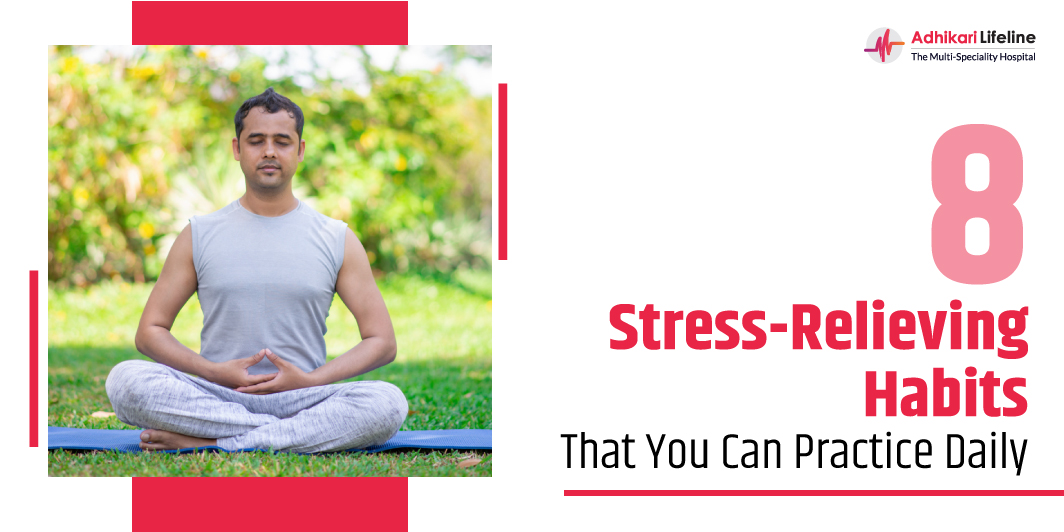
Before you check your phone or rush into your day, spend five quiet minutes just being present. Sit comfortably, close your eyes, and focus on your breathing. Don’t worry about doing it perfectly, just notice each breath. If your mind wanders, that’s perfectly okay! Gently bring your attention back. This tiny pocket of calm can set the mood for your whole day, helping you start from a place of peace instead of stress. Even a few gentle moments to yourself can make a world of difference. Try not to judge your thoughts or feelings, simply notice them and let them pass. With practice, you may find these calm moments become something you look forward to each day.
2. Gentle Movement
You don’t have to commit to a full exercise routine to benefit from movement. A gentle morning stretch, a slow walk around your house, or even a few yoga poses can ease tension and create a sense of relief in your muscles. Moving your body, even in small amounts, tells your brain that you are safe, which can naturally reduce feelings of anxiety or overwhelm. The goal isn’t to burn calories; it’s just to feel better. Listen to your body and move in ways that feel nurturing, not demanding. If today feels slower, that’s fine; gentle movement is about compassion, not achievement. Celebrate each small effort as an act of self-kindness.
3. Nourishing Breakfast
Skipping meals can leave you feeling tired and anxious. Starting your day with nourishing food—even something as simple as a banana and a glass of water, can stabilize your blood sugar and give your body the calm energy it needs. Don’t pressure yourself to prepare anything fancy. The key is gentle self-care and listening to what your body feels like eating. Breakfast isn’t a race; enjoy your food slowly, savoring each bite. If you’re not very hungry, a light snack is still better than nothing. Prioritize nourishment as an act of caring for your well-being.
4. Digital Breaks
Our minds weren’t made to absorb endless information. Every couple of hours, consciously put down your phone, switch off social media, or take a break from emails. Step outside, do a few gentle stretches, or spend a moment just noticing your surroundings. These short digital breaks give your brain a chance to reset and keep stress from building up unnoticed. Even five minutes unplugged can help you feel refreshed and refocused. Notice how your body feels and what emotions come up when you disconnect from screens. Regular breaks are a powerful way to protect your mental and emotional space.
5. Deep Breathing
Sounds simple, but intentional deep breathing is one of the fastest ways to signal safety to your brain. Try inhaling slowly through your nose for four counts, holding for four, and exhaling gently through your mouth for four. Do this a few times anytime you feel tension rising. You’ll likely notice your heart rate slowing down and your mind settling. Practice whenever you remember—there’s no ‘right’ time. Make this your pocket tool for stressful moments; it’s always available. Pair deep breathing with gentle self-talk, like, “I am safe and okay.” Each breath is a reminder to treat yourself kindly.
6. Gratitude Journaling
No need for a fancy journal! Grab any notebook and jot down three things you’re grateful for each day. They can be big (like family) or tiny (like a nice cup of tea). Focusing on gratitude gently shifts your mind from worries to simple pleasures. Over time, these little reminders can steadily boost your mood and build a buffer against stress. If you miss a day, don’t worry—just start again when you can. You may be surprised to find gratitude in unexpected places, even on the toughest days. Consider revisiting past entries whenever you need a gentle mood boost.
7. Connecting with Loved Ones
It’s easy to get trapped in our heads when we’re stressed. Make it a habit to reach out to someone you trust daily—even if it’s just a quick chat or text message. Sharing a laugh or your feelings with a friend, family member, or neighbor can work wonders. Human connection is one of nature’s most powerful stress relievers. It’s okay to ask for company if you need it—most people appreciate being thought of. Support can be found in the smallest moments, like a smile or kind message. Without realizing it, you may also lighten someone else’s load.
8. Mindful Snacking
Food isn’t just fuel—it can also be a comfort. If you crave a snack, take a moment to truly enjoy it. Sit down, notice the taste, texture, and smell of your food. By snacking mindfully, you turn eating into a relaxing experience rather than a rushed or guilty one. This can help soothe your nerves and prevent emotional overeating. Choose snacks that bring comfort and gentle energy, not guilt. Use snack time as a mini-break—a way to pause and care for yourself. Even on hectic days, these mindful moments can form a calm anchor.
Seek Help for Stress Management
Remember, it’s okay to ask for help—whether that means talking to loved ones or seeking professional care. Many people need support from time to time, especially when life feels overwhelming. Reaching out isn’t a sign of weakness; it’s an important act of self-care. If stress is affecting your health or daily life, don’t hesitate to contact a neurologist in Boisar who understands deeply and cares. Seeking support means you’re taking your well-being seriously, and that matters. The right guidance can help lighten your load, no matter how heavy it feels. Sometimes, support is the first step toward feeling more hopeful and in control.
At Adhikari Lifeline Multispeciality Hospital, we understand that managing stress and related health concerns can be challenging. Whether you need advice, regular health check-ups, or specialized care, you can trust us as your partner in building a healthier, calmer life. Reach out for support. Remember, you’re never alone on your health journey, and sometimes, a little help can make all the difference.
Leave A Comment